
Square: Here for the Good Stuff
Feature Photo Credit: Big Buns Club, Calgary
Square earned early loyalty by democratizing payments, turning a familiar small-business pain point into one of fintech’s most recognizable success stories. Founded in 2009 after co-founder Jim McKelvey lost a sale because he could not accept a credit card, the company famously grew by giving independent merchants a simple, elegant way to get paid. Just as importantly, it arrived at exactly the right cultural moment, feeling native to a new generation of entrepreneurial businesses built on grit, identity, and community.
There is a clear parallel with restaurants. The same zeitgeist that helped Square spread by word of mouth also helped fuel a wave of independent operators building brands around experience, personality, and neighbourhood connection. Square’s early appeal was certainly about practical functionality, but it was also about accessibility, modernity, and a certain kind of independent ambition that resonated with small businesses finding their footing.
In this Q&A, Eric Cheung, Senior Integrated Marketing Manager, explains how Square is now extending that early promise into a broader Canadian restaurant proposition, moving beyond payments to position the brand as a practical operating partner built to save time and reduce complexity. His argument is straightforward: the right technology should help independent restaurants preserve what makes them neighbourhood favourites, not pull them further away from it.
MENU Magazine: Square’s Canadian campaign suggests a stronger point of view than simple local-business support. What are you trying to say about the role independent restaurants play in a neighbourhood—and where does Square believe it can create the most meaningful value for operators right now?
Eric Cheung: Independent restaurants aren’t just businesses; they’re the heartbeat of a neighbourhood. They’re where you celebrate birthdays, grab coffee with a friend, or become a regular. But here’s the thing: running a restaurant is incredibly hard. Owners are juggling reservations, inventory, staffing, payments, and a million other things that pull them away from what they actually love, like hospitality, cooking and creating experiences.
Our point of view is simple: if we can take the backend chaos off their plate, they get to focus on being the neighbourhood favourite they set out to be. That’s where Square creates the most value right now, giving time back. Time to perfect a dish, train staff, or just chat with customers. Because when restaurants thrive, neighbourhoods thrive.
MM: Square’s U.S. campaign, “See You in the Neighborhood,” leans into emotion, identity, and the idea that thriving sellers help create thriving communities. How did you refine that message for Canadian restaurant operators?
EC: Canadians have this incredible pride in their local spots. There’s a real “support local” culture here that runs deep, so we leaned into that. “Here For The Good Stuff” is our way of saying: we get what makes your restaurant special, and we’re here to protect that. It’s less about the hustle and grind, and more about the craft and community.
Canadian restaurant operators are dealing with razor-thin margins, labour shortages, and rising costs, so our message had to be practical, not just inspirational. We’re not just cheering them on but we’re rolling up our sleeves and saying, “Let us handle the tedious stuff so you can get back to the good stuff: the food, the people, the moments that make your place irreplaceable.”
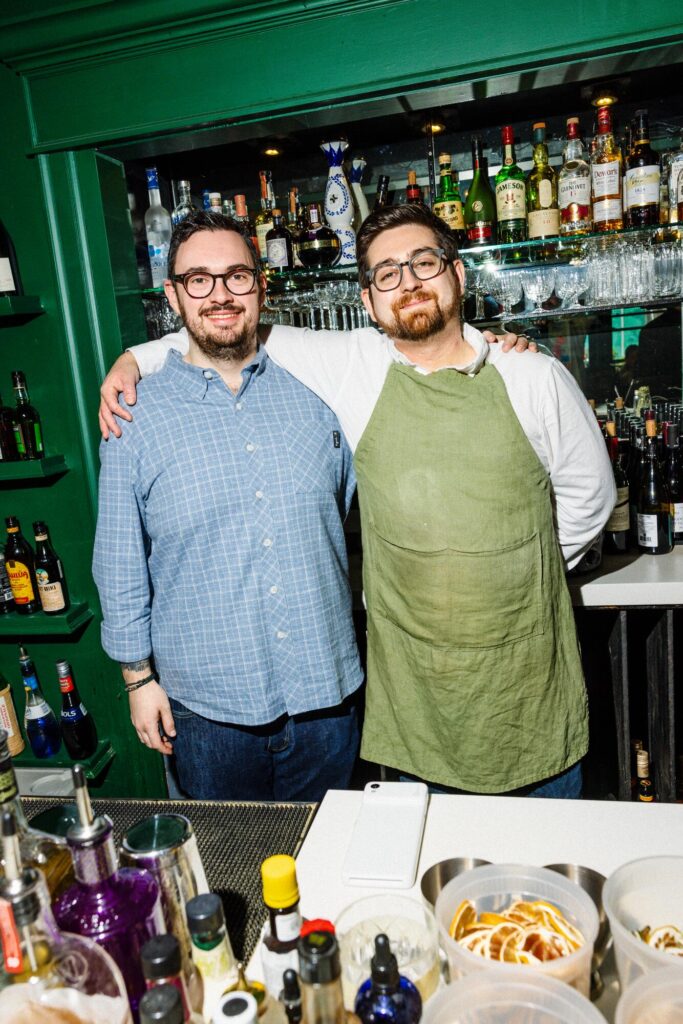
Photo Credit: Petrichor Social, Vancouver
MM: Restaurants are under enormous pressure to protect margin without sacrificing hospitality. How is Square working to ensure its positioning in foodservice is not just emotionally resonant, but operationally smooth and competitive—especially for Canadian operators weighing every tech decision against labour, cost, and complexity?
EC: We know emotion doesn’t pay the bills; efficiency does. So, while our messaging is about giving time back, our product has to deliver on that promise operationally. We’ve built Square for Restaurants to be genuinely easy to use so restaurant staff can learn it in minutes, not days. That matters when you’re short-staffed and can’t afford downtime.
We’ve also integrated everything: integrated POS, online ordering, kitchen display systems and inventory so operators aren’t duct-taping five different tools together. And we’re transparent about pricing. No hidden fees, no surprises. For Canadian operators, every dollar and every hour counts, so we’re obsessive about making sure Square doesn’t just feel good but that it works better, costs less to manage, and actually moves the needle on their bottom line.
MM: In restaurants, what is the clearest misconception you’re trying to overcome—and what proof points do you think move the perception of Square from ‘payments provider’ to ‘serious operating platform’ in the minds of foodservice businesses?
EC: The biggest misconception is that we’re just the little white reader. People still think of us as the startup that helped food trucks take credit cards. But we’ve evolved massively.
Square for Restaurants is a full operating system: front-of-house, back-of-house, online ordering, loyalty, marketing, reporting, you name it. The proof points that shift perception are stories from operators who’ve consolidated their tech stack with Square and cut costs. Restaurants that used to juggle three or four systems and now run everything on Square. Kitchen display systems sync seamlessly with the POS. Real-time inventory updates so they’re not overselling. When operators see that Square can handle the complexity of a busy Friday night service and help them make smarter business decisions on Monday morning, that’s when the lightbulb goes off. We’re not just processing payments – we’re powering the entire operation.
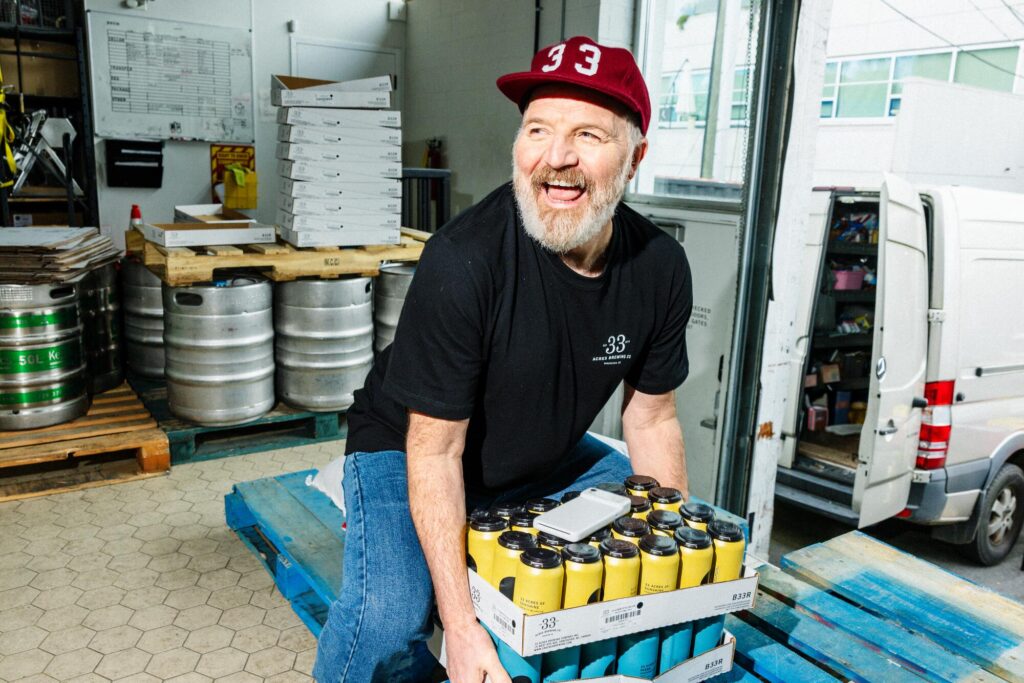
MM: “Here For The Good Stuff” uses real merchant stories to carry Square’s message. Why is storytelling such an important part of Square’s strategy in Canada right now, and what do you hope the restaurant industry recognizes—or learns from—in the merchant profiles at the centre of the campaign?
EC: For Canadian operators, word-of-mouth is still the best way to get the word out. Restaurant owners aren’t going to be sold just because we say so; they need to see our solution doing its thing in a real restaurant. So, we let our sellers tell their story.
They’re real people running real businesses, dealing with the same challenges everyone else is. Storytelling matters because it’s proof. It’s one thing for us to say, “Square gives you time back,” but it’s way more powerful when a chef in Toronto says, “I used to spend three hours a week on inventory—now it takes 20 minutes, and I’m back in the kitchen.” What we hope the industry takes away is this: you’re not alone in the struggle, and there are tools that actually work.
Real stories show that thriving isn’t about working harder, it’s about working smarter. And when you’ve got the right systems in place, you get to do more of what you love.
Eric Cheung, Senior Integrated Marketing Manager, Square

Eric Cheung is Senior Integrated Marketing Manager at Square Canada, where he leads marketing strategy with a focus on helping food and beverage businesses become neighbourhood favorites. Over his five years at Square, Eric has championed initiatives that connect local sellers with their communities, most recently launching the “Here For The Good Stuff” campaign celebrating the unique character of Canadian F&B establishments.